
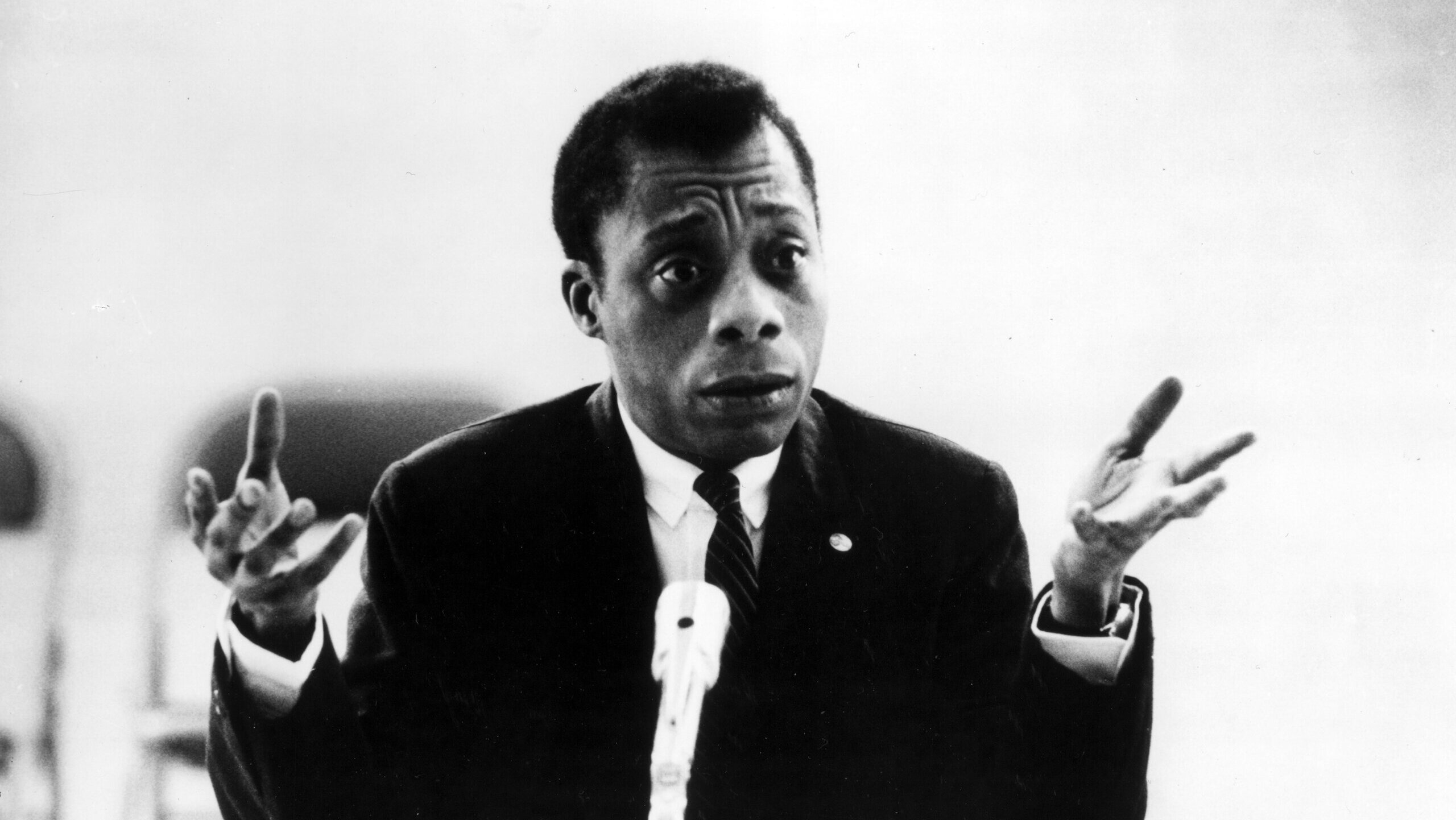
Most real estate appraisal assignments include some form of neighborhood analysis. The appraiser considers boundaries, land uses, development patterns, access, amenities, and the economic forces influencing property values. But a neighborhood is more than a collection of measurable characteristics. The meaning of neighborhood—and what would make one ideal—depends greatly on a person’s lived experience: where they have felt safe, where they have felt welcome, and where they have been told they do not belong. This series uses ChatGPT to imagine how people from different eras and backgrounds might describe the ideal neighborhood. These are creative exercises, not authentic writings or quotations from the people named.
The Ideal Neighborhood, by ChatGPT in the Style of James Baldwin
The ideal neighborhood cannot be merely the place where the houses are handsome, the lawns are obedient, and the police arrive quickly. We have built many such neighborhoods, and the price of their tranquility has too often been paid by people who were forbidden to enter them. A neighborhood cannot be called good simply because its suffering has been pushed beyond the view from its windows.
The question is not whether the streets are quiet, but why they are quiet—and for whom. It is not whether the children are protected, but whether every child is protected. It is not whether a man can close his door and feel secure, but whether his security depends upon another man being watched, suspected, diminished, or driven away.
In the ideal neighborhood, no child would have to learn too early that certain streets were not meant for him. No mother would have to teach her son how to make himself smaller so that strangers might find him less frightening. No family would discover that the value assigned to its home had less to do with the house than with the color of the faces living inside it.
This neighborhood would not be without conflict. People do not become virtuous merely by living near one another. They bring with them their fears, vanities, histories, and lies. But they might also bring the courage to confront those things. They might begin to understand that a neighbor is not simply someone whose property touches yours. A neighbor is someone whose fate is tied to your own, whether or not you are willing to admit it.
The ideal neighborhood would therefore require something more difficult than attractive buildings or tidy streets. It would require honesty. It would ask its residents to remember who had lived there before them, who had been displaced, who had been excluded, and who had profited. It would demand that they stop calling inequality order and stop mistaking isolation for peace.
Perhaps the ideal neighborhood is not a place we arrive at once and possess forever. Perhaps it is something we create each day through the dangerous and necessary act of seeing one another clearly. It begins when we understand that home cannot be made sacred by denying another person a home, and that no neighborhood can truly prosper while its comfort depends upon someone else’s humiliation.